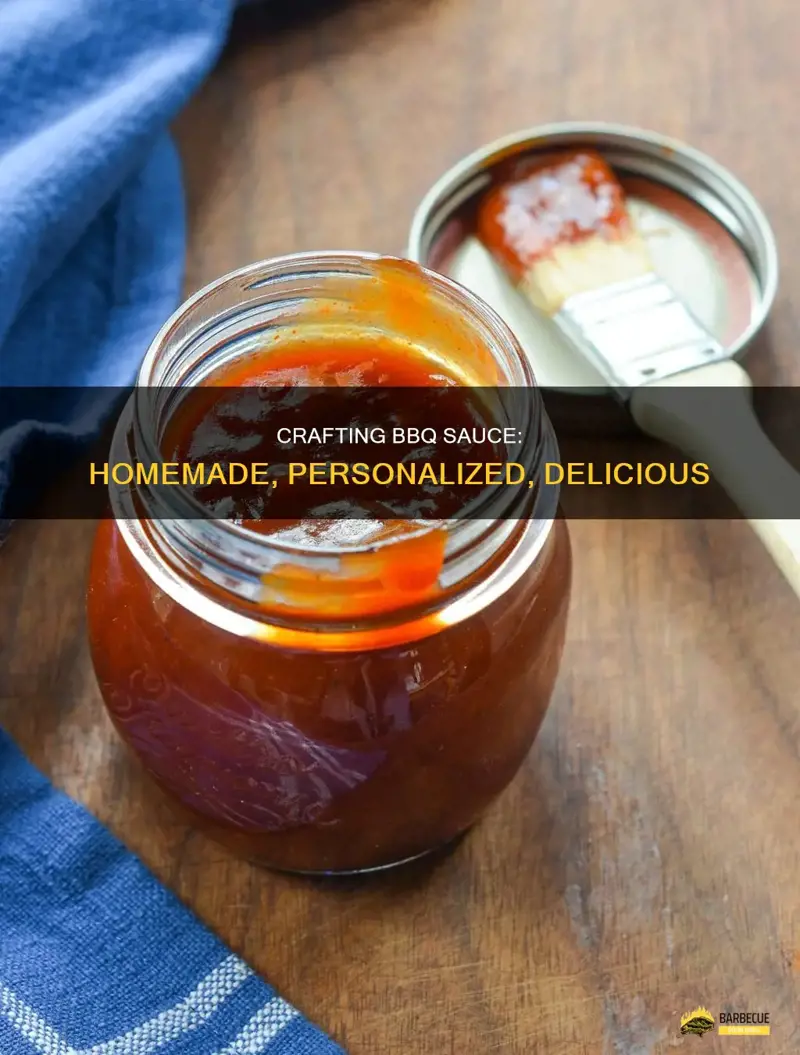
Craft Your Own BBQ Sauce: Essential Ingredients for Custom Flavor
There’s something uniquely satisfying about slathering a perfectly cooked piece of meat with a BBQ sauce you made yourself. The rich aroma, the perfect balance of sweet, smoky, and tangy notes, and the knowledge that every ingredient was chosen to your exact preference – it’s an experience that store-bought varieties simply can’t match. If you’ve ever wondered
how to make bbq sauce that truly stands out, you’re in the right place. Creating your own signature sauce is not just a culinary skill; it's an exploration of flavor, allowing you to tailor every aspect to your palate and the dishes you love.
Moving beyond generic bottles from the supermarket opens up a world of possibilities. Imagine a sauce with a fiery kick for spicy lovers, a deeply smoky undertone for brisket, or a sweet and tangy glaze perfect for chicken wings. Making BBQ sauce from scratch puts you in complete control, ensuring fresh, high-quality ingredients and avoiding unwanted additives or excessive sugars often found in commercial products. It’s also an incredibly rewarding process that elevates your grilling and cooking to a whole new level.
The Foundation: Starting Your BBQ Sauce Journey
Every great BBQ sauce begins with a solid foundation. For most classic styles, this means a tomato-based starting point. Tomato paste, crushed tomatoes, or even plain tomato sauce offer a neutral yet robust canvas upon which to build a symphony of flavors. Their inherent acidity and sweetness provide an excellent backbone that can be transformed with the addition of spices, vinegars, and sweeteners.
When selecting your tomato base, consider the overall flavor profile you're aiming for. A rich tomato paste will offer a more concentrated flavor and thicker consistency, while crushed tomatoes might provide a looser sauce that's perfect for simmering down. For those mindful of sugar intake, opting for unsweetened or no-sugar-added tomato products is an excellent first step in creating a healthier alternative. This initial choice sets the stage for the depth and body of your finished sauce. Remember, the journey of flavor customization starts here, ensuring every spoonful reflects your unique taste. To dive deeper into transforming this base, explore our guide on
How to Make BBQ Sauce: Transform Tomato Base with Spices.
Building Blocks of Flavor: Essential Ingredients for a Signature Taste
Once you have your tomato base, it's time to introduce the magic – the essential ingredients that transform it into an irresistible BBQ sauce. These components work together to create the complex, layered flavors we crave.
*
Acidity & Tang: Acidity is crucial for balancing sweetness and cutting through the richness of grilled meats.
*
Apple Cider Vinegar: A cornerstone for its fruity, tangy, and slightly sweet profile. It's often responsible for that characteristic "zing."
*
Worcestershire Sauce: Adds a savory, umami depth with notes of anchovy, tamarind, and spices. Look for varieties without corn syrup if you're trying to control sugar content.
* *Lemon Juice or White Vinegar:* Can be used in smaller quantities for a sharper tang.
*
Sweetness: Sweetness provides balance, helps with caramelization, and rounds out the overall flavor. The type of sweetener greatly influences the final taste.
*
Brown Sugar/Granulated Sugar: Classic choices that provide straightforward sweetness. Brown sugar also adds a touch of molasses flavor.
*
Molasses: For a deep, robust, and slightly bitter-sweet flavor that gives a rich, dark color. Essential for many Southern-style sauces.
*
Honey/Maple Syrup: Offer natural sweetness with distinct flavor notes – floral for honey, earthy for maple.
*
Pineapple Juice: Adds natural sweetness along with a fruity tang, often found in tropical or Hawaiian-inspired sauces.
* *Agave Nectar or Fruit Purees (like peach or apricot):* Excellent for adding natural sweetness and complex fruit notes.
*
Spices & Aromatics: These are the soul of your BBQ sauce, providing warmth, heat, and aromatic complexity.
*
Dry Mustard Powder: Offers a sharp, pungent kick that enhances other flavors.
*
Garlic (fresh or powder) & Onion Powder: Fundamental aromatics that provide savory depth. Fresh minced garlic and sautéed onions can offer a more complex, mellow flavor than powders.
*
Ground Cumin: Adds an earthy, smoky undertone.
*
Ground Clove: Use sparingly, as it's very potent, but it adds a warm, sweet, and aromatic spice that can elevate the sauce.
*
Paprika (Sweet or Smoked): Sweet paprika adds color and a mild, peppery flavor. Smoked paprika, a personal favorite, infuses an incredible, authentic smoky flavor without needing liquid smoke.
*
Cayenne Pepper/Chili Powder: For those who love a bit of heat. Adjust to your desired spice level.
* *Black Pepper:* Freshly ground black pepper adds a pungent warmth.
*
Smoky Depth: A signature characteristic of BBQ.
*
Liquid Smoke: Use with a very light hand (a few drops are often enough) to impart a strong, artificial smoke flavor.
*
Smoked Paprika: As mentioned, this is a fantastic, natural alternative for smoky flavor.
* *Chipotle Peppers in Adobo Sauce:* These offer both smoky heat and a beautiful depth of flavor.
*
Optional Enhancements (My Own Analysis): Don't be afraid to experiment!
*
Soy Sauce: A dash can add umami and saltiness, particularly good for Asian-inspired BBQ sauces.
*
Bourbon or Whiskey: A small amount cooked down can add a sophisticated, caramel-like depth.
*
Coffee: A splash of strong brewed coffee or espresso can add a unique bitter note that complements smoky and sweet flavors surprisingly well, deepening the sauce's complexity.
*
Hot Sauce: Beyond cayenne, a specific hot sauce (like Tabasco or Sriracha) can introduce a different flavor profile alongside the heat.
Customizing Your Creation: Flavor Profiles & Dietary Considerations
The beauty of making your own BBQ sauce lies in the endless possibilities for customization. You're not just assembling ingredients; you're crafting a unique flavor experience.
*
Regional Style Inspiration:
* For a
Kansas City-style sauce, emphasize sweetness (brown sugar, molasses), tang (apple cider vinegar), and a good kick of spice.
* A
Carolina-style often leans heavily on vinegar (white or apple cider) with less tomato and more mustard.
*
Texas-style can be simpler, focusing on savory, smoky, and peppery notes, often with less sweetness.
* Experiment with these broad categories as a starting point, then infuse your own preferences.
*
Adjusting Heat Levels: From a gentle warmth to a fiery inferno, you control the spice. Start with small amounts of cayenne, red pepper flakes, or a few drops of your favorite hot sauce. For a deep, smoky heat, consider adding puréed chipotle peppers in adobo sauce. Remember, heat can intensify as the sauce simmers, so it's always easier to add more later than to take it away.
*
Balancing Sweetness: The interplay between sweet and savory is critical. Taste as you go. If your sauce is too tart, add a bit more sweetener. If it's overly sweet, a splash more vinegar or a pinch of salt can help balance it out. Different sweeteners contribute different textures and flavors – molasses for stickiness and depth, honey for a lighter floral note.
*
Dietary Adaptations: For those with specific dietary needs, homemade sauce is a game-changer.
*
Low-Carb BBQ Sauce: This is entirely achievable. Swap traditional sugars for natural sugar alternatives like erythritol, stevia, or monk fruit sweetener. Ensure your tomato base is unsweetened and choose Worcestershire sauce that is corn syrup-free. You can also experiment with natural low-carb thickeners if needed. For detailed guidance on this, check out our article on
Homemade Low-Carb BBQ Sauce: Flavorful & Sugar-Conscious.
*
Gluten-Free: Most BBQ sauce ingredients are naturally gluten-free, but always check labels for Worcestershire sauce and other processed ingredients, as some brands may contain gluten.
*
Allergen-Friendly: Avoid specific allergens by carefully selecting each ingredient, something that's difficult to do with pre-made sauces.
Tips for Perfection: Mastering Your Homemade BBQ Sauce
Creating your ultimate BBQ sauce isn't just about the ingredients; it's also about the process. A few simple techniques can elevate your homemade creation from good to absolutely phenomenal.
1.
Simmer Slowly for Flavor Melding: Patience is key. Once all your ingredients are combined, allow the sauce to simmer gently over low heat. A good simmer for at least 30-60 minutes (or even longer) allows the flavors to meld, deepen, and concentrate. This slow cooking process is where the individual components truly come together to form a cohesive and complex sauce.
2.
Taste and Adjust Liberally: Your palate is your best guide. Taste the sauce periodically throughout the simmering process. Is it sweet enough? Does it need more tang? A pinch more salt or a dash of heat? Don't be afraid to make small adjustments. A little extra cumin can deepen earthiness, while another splash of apple cider vinegar can brighten the flavor.
3.
Achieving the Right Consistency: The desired thickness depends on how you plan to use your sauce.
*
Thickening Naturally: Simmering uncovered for a longer period will naturally reduce and thicken the sauce.
*
Quick Thickening: If you're short on time or want a very thick sauce, you can create a slurry with cornstarch (1 tablespoon cornstarch mixed with 2 tablespoons cold water) and whisk it into the simmering sauce. Cook for another 1-2 minutes until thickened.
4.
Strain for Smoothness (Optional): For an ultra-smooth, restaurant-quality sauce, push it through a fine-mesh sieve after simmering. This removes any larger pieces of garlic, onion, or spices, resulting in a velvety texture.
5.
Proper Storage: Once cooled, transfer your homemade BBQ sauce to airtight jars or containers. Stored in the refrigerator, most homemade sauces will last for 1-2 weeks. For longer storage, consider canning or freezing, though freezing may alter the texture slightly upon thawing.
6.
Resting the Flavors: Like a good stew, BBQ sauce often tastes even better the next day. The flavors continue to meld and deepen overnight, so if you have the time, make it a day ahead.
Your homemade BBQ sauce is incredibly versatile. It's not just for slathering on ribs – though it's undeniably fantastic on them, as well as chicken, pulled pork, or brisket. Use it as a marinade, a dipping sauce for fries or nuggets, a glaze for meatballs, or even a topping for burgers. The possibilities are endless, and each application highlights the unique flavor you've meticulously crafted.
Conclusion
Making your own BBQ sauce is a culinary adventure that promises rich rewards. By understanding the essential ingredients and the role each plays in building flavor, you gain the power to create a truly bespoke sauce that reflects your personal taste. From the tangy kick of vinegar to the warmth of spices and the depth of molasses, every component contributes to a masterpiece that’s uniquely yours. So, gather your ingredients, fire up your stovetop, and embark on the delicious journey of crafting a custom BBQ sauce that will impress family and friends and elevate every meal. Your grill (and your taste buds) will thank you!