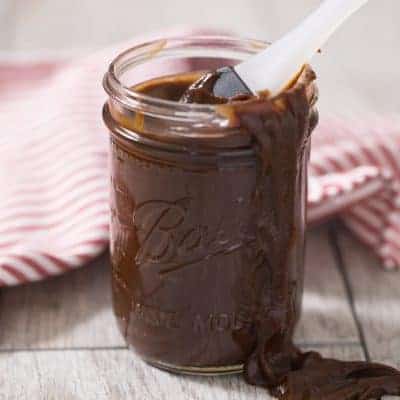
Why Go Homemade for Low-Carb BBQ Sauce?
The allure of smoky, tangy, and slightly sweet barbecue sauce is undeniable, a staple condiment that elevates everything from grilled meats to roasted vegetables. However, for those monitoring their sugar intake or following a low-carb, keto-friendly lifestyle, store-bought BBQ sauces often present a hidden challenge. A quick glance at nutrition labels frequently reveals a shocking amount of added sugars, corn syrup, and artificial ingredients that can derail dietary goals faster than you can say "grill master." This "label madness," as some call it, is precisely why crafting your own homemade BBQ sauce becomes not just a preference, but a necessity.
Opting to make your own low-carb BBQ sauce puts you firmly in control. You dictate every ingredient, ensuring a sugar-conscious profile without sacrificing a shred of flavor. Beyond the health benefits of avoiding excessive sugar and questionable additives, homemade sauce offers unparalleled customization. Crave a spicier kick? Add more cayenne. Prefer a deeper, richer smokiness? Adjust the liquid smoke. This level of personalization is simply not possible with off-the-shelf options, allowing you to create a sauce perfectly tailored to your palate and dietary needs. The satisfaction of slathering a delicious, healthy sauce on your favorite grilled dish, knowing exactly what went into it, is truly unbeatable.
Mastering the Low-Carb BBQ Sauce Base: How to Make BBQ Sauce from Scratch
Embarking on the journey of how to make BBQ sauce that’s both flavorful and low-carb starts with a solid foundation: the tomato base. Forget sugary ketchups and opt for plain, unsweetened tomato products. A can of crushed tomatoes, tomato paste diluted with a little water, or even a basic tomato sauce can serve as your canvas. The key is its purity – no added sugars, just the natural goodness of ripe tomatoes. This unadulterated base allows you to build a complex flavor profile from the ground up, ensuring a truly sugar-conscious creation.
Once you have your tomato base, it's time to infuse it with the quintessential BBQ flavors. Think of this as your culinary orchestra, where each ingredient plays a vital role:
- Aromatics: Finely minced fresh garlic and a touch of onion powder lay a savory foundation.
- Classic Spices: Ground cumin and clove add warmth and depth. Dry mustard powder contributes a sharp, tangy note that balances the richness. For a vibrant hue and an extra layer of smokiness, consider adding smoked paprika – an excellent complement to any BBQ sauce.
- Heat & Zing: A pinch of cayenne pepper is optional but highly recommended for those who enjoy a little heat. For that characteristic BBQ tang, a generous splash of apple cider vinegar is indispensable.
- Umami & Smoke: Worcestershire sauce provides a crucial layer of umami. *Crucially*, seek out brands that are free from corn syrup or any added sugars to maintain the low-carb integrity. Alternatively, a dash of coconut aminos can offer a similar savory depth for strict keto adherents. To achieve that authentic pit-smoked flavor without a smoker, liquid smoke is your secret weapon – use sparingly for best results.
The process is straightforward: gently sauté your aromatics, then "bloom" your dry spices by adding them to the pan for a moment before introducing the tomato base, liquids, and other flavorings. A gentle simmer allows all these elements to meld, deepen, and transform into a robust, custom flavor experience. This careful layering of ingredients is what truly defines a spectacular homemade sauce.
Sweetening Smart: Low-Carb Alternatives for Your BBQ Sauce
The sweetness in traditional BBQ sauce is often its downfall for those on a low-carb diet, with common culprits like high-fructose corn syrup, molasses, or brown sugar dominating ingredient lists. However, the good news is that achieving that beloved sweet and savory balance in your homemade low-carb BBQ sauce is entirely possible with smart sweetener choices. The key lies in selecting zero-calorie, zero-carb alternatives that deliver on taste without the glycemic impact.
Erythritol is a popular choice among low-carb enthusiasts due to its mild taste, excellent baking properties (though we're simmering here), and minimal impact on blood sugar. It's about 70% as sweet as sugar, so you might need a little more to achieve your desired sweetness level. Monk fruit extract and stevia are other fantastic options, both significantly sweeter than sugar, meaning only a tiny amount is needed. Monk fruit tends to have a very clean taste, while some people detect a slight aftertaste with stevia. Many brands offer blends of erythritol with monk fruit or stevia, which can often provide the best of both worlds in terms of sweetness profile and lack of aftertaste.
When incorporating these sweeteners, remember to start conservatively. Add a small amount, stir, and taste your sauce. Sweetness perception can vary, and it's always easier to add more than to try and reduce it. It's also worth noting that while these sweeteners provide the taste, they don't caramelize or thicken in the same way traditional sugars do. This means your low-carb BBQ sauce might be less "sticky" than its sugar-laden counterparts, but it will still deliver on all the delicious flavors. Experiment with different types and quantities to discover your ideal sweetness level and balance, crafting a truly custom flavor that excites your taste buds.
Beyond the Ribs: Versatile Uses for Your Homemade Low-Carb BBQ Sauce
Having perfected your homemade low-carb BBQ sauce, you'll quickly discover its incredible versatility extends far beyond just slathering it on ribs. While it's certainly magnificent on tender pork baby back ribs – whether slow-cooked in the oven or quickly cooked in an air fryer as demonstrated by many recipes – this sugar-conscious condiment can revolutionize a myriad of dishes, making healthy eating both easy and exciting.
Imagine succulent air fryer ribs, seasoned with a savory rub, then basted in the final minutes with your homemade sauce. The key tip from seasoned cooks is to apply the sauce during the last 5-10 minutes of cooking. This prevents any potential burning, especially if your sauce contains even a touch of natural sugar from the tomatoes or a specific low-carb sweetener that behaves differently under high heat. This careful application ensures a luscious, glazed finish that perfectly adheres to the meat.
But the applications don't stop there. Your homemade low-carb BBQ sauce is an excellent marinade for chicken breasts, pork chops, or even steak, infusing them with robust flavor before grilling or baking. It makes for a fantastic dipping sauce for low-carb chicken nuggets, cauliflower "wings," or bell pepper strips. Stir it into shredded chicken or pork for quick, sugar-free pulled meat sandwiches served on low-carb buns or lettuce wraps. Use it as a base for a healthy meatloaf, a flavorful addition to meatballs, or even spread it thinly on low-carb flatbreads for a unique BBQ chicken pizza. For those who enjoy a spicy kick, easily adapt the sauce by infusing it with chipotle peppers in adobo (ensure sugar-free) or extra cayenne to create a "spicy chipotle" variation, proving that healthy eating never has to be bland.
Conclusion
Embracing the art of how to make BBQ sauce at home, particularly a low-carb version, is a game-changer for anyone committed to a sugar-conscious lifestyle without compromising on flavor. From understanding the pitfalls of hidden sugars in commercial products to meticulously selecting your tomato base, spices, and smart sweeteners, every step in the process empowers you with control and creativity. The result is a homemade low-carb BBQ sauce that is not only flavorful and perfectly balanced but also incredibly versatile, ready to elevate a wide array of dishes from classic ribs to innovative weeknight meals. So, skip the store-bought options and embark on your own culinary adventure – your taste buds and your health will thank you.
